
Water Quality: A Critical Component of Coffee Performance
Water makes up over 98% of every brewed cup, which means the quality of your water directly determines the quality, consistency, and reliability of your coffee program. For both cafés and commercial environments, controlling water chemistry is one of the most effective ways to protect flavor and equipment.
How Water Chemistry Affects Extraction
Coffee extraction depends on the balance of dissolved minerals in the water—primarily calcium, magnesium, and overall TDS (total dissolved solids).
Properly conditioned water ensures the coffee tastes the way the roaster intended.
Protecting Espresso Machines & Brewers
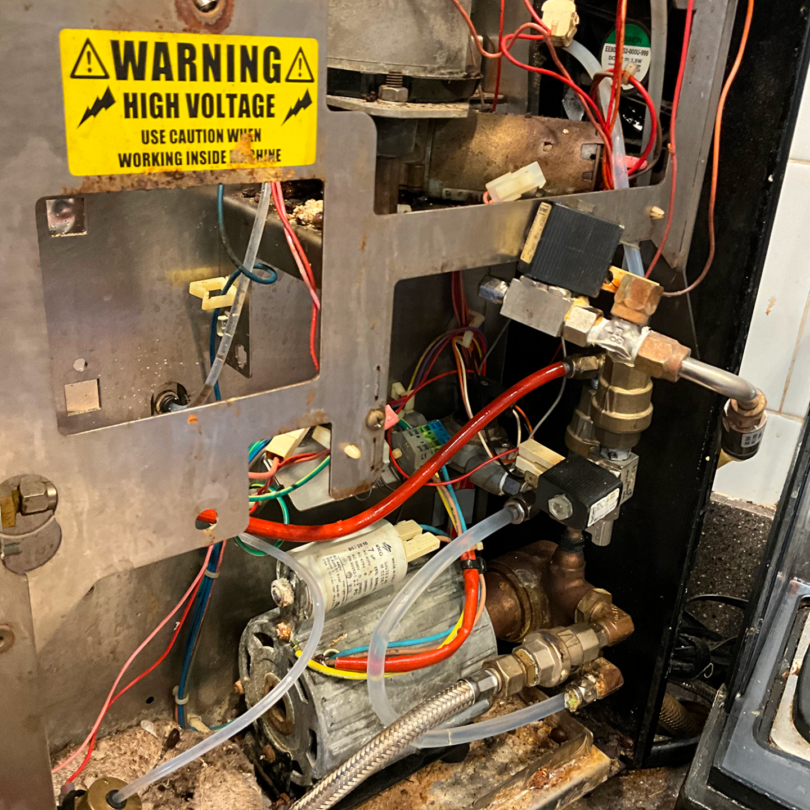
Uncontrolled water quality is one of the leading causes of equipment failure.
Filtration and treatment systems cost far less than emergency repairs, downtime, or premature equipment replacement.
Arizona’s Extremely Hard Water — And Why It Destroys Espresso Machines
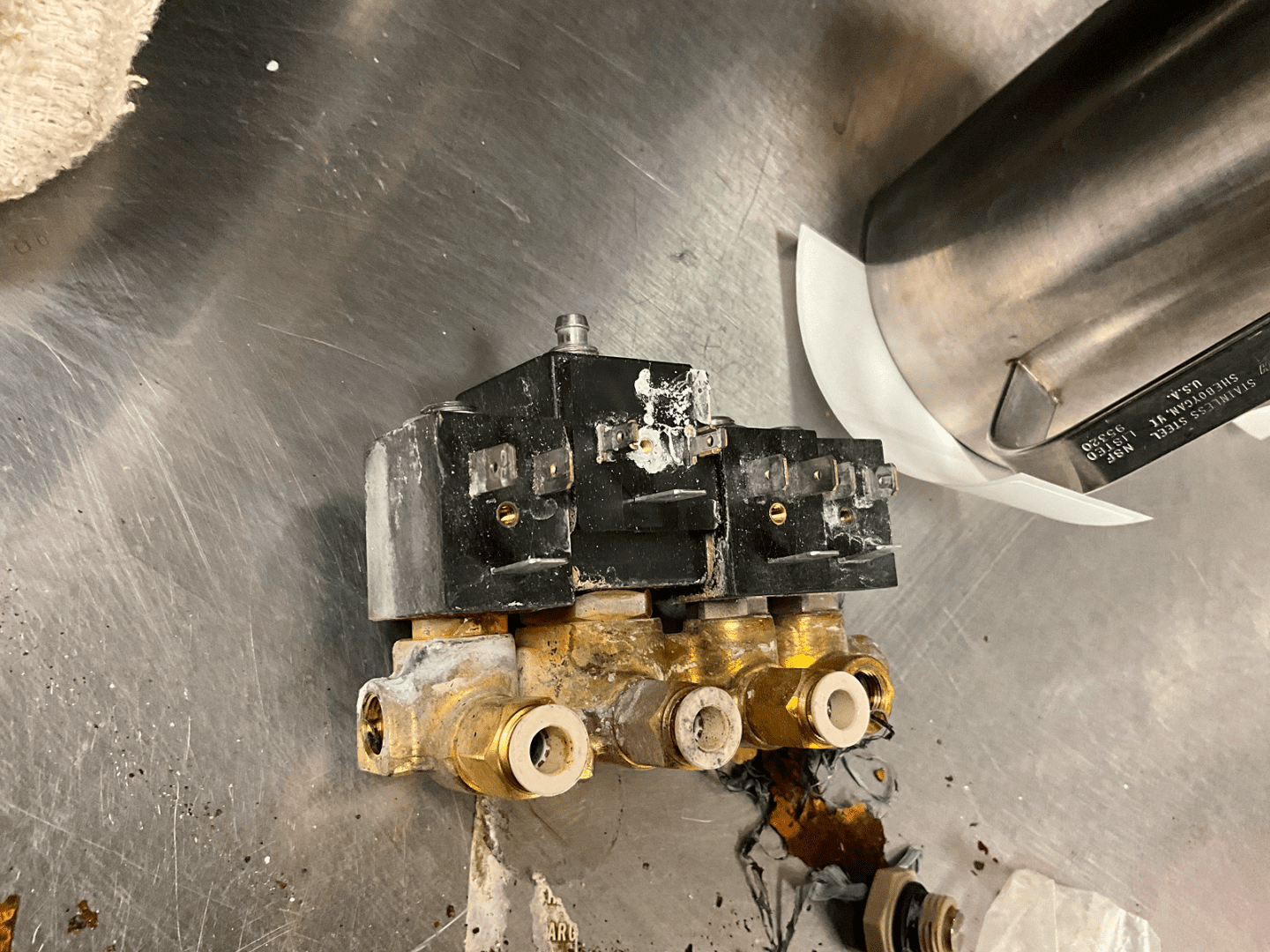
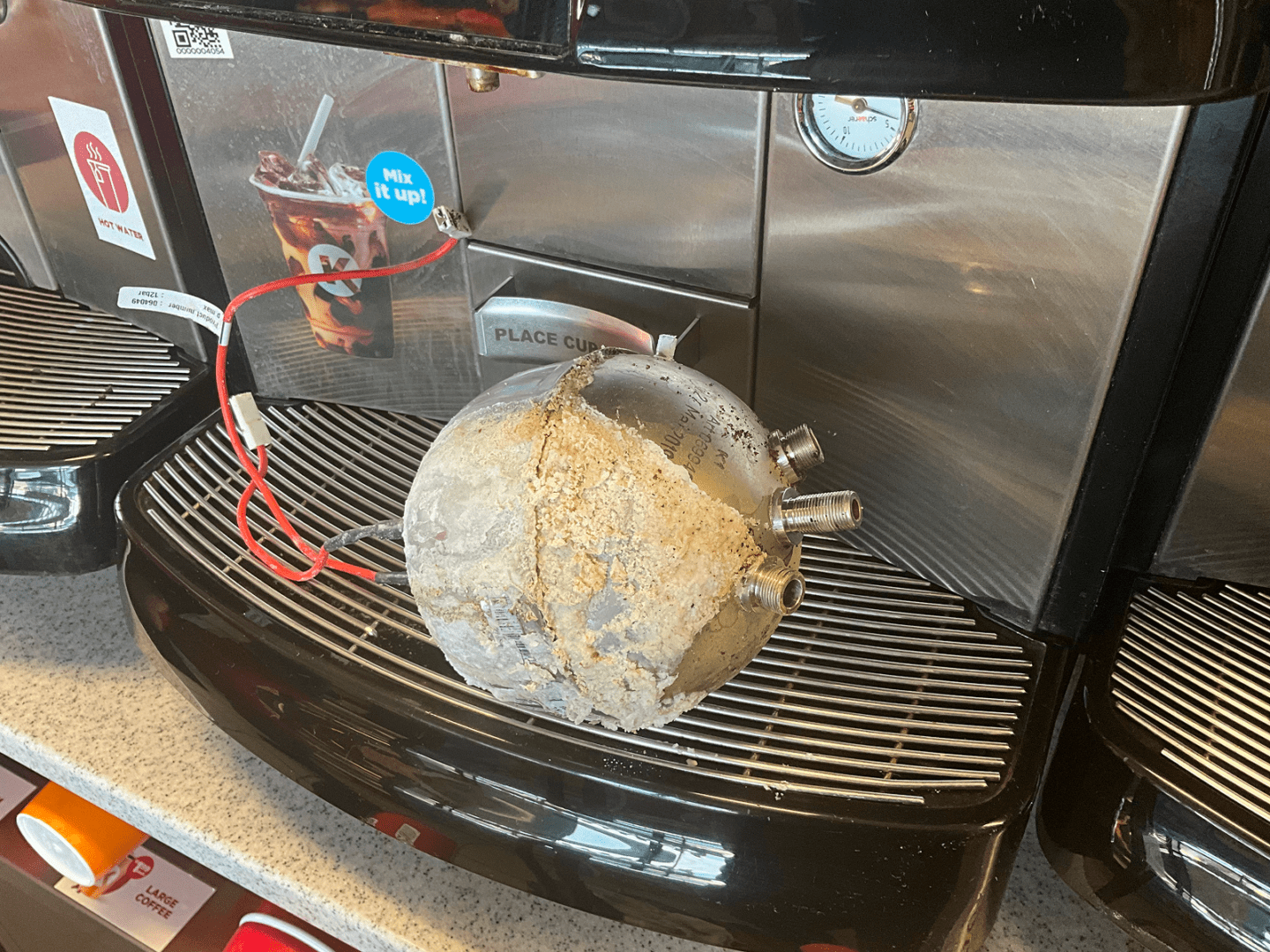
Arizona has some of the hardest water in the United States, with many cities testing between 200 and 600+ PPM — far above the Specialty Coffee Association’s recommended 50–175 PPM range for espresso equipment. At these levels, scale forms rapidly and becomes destructive to coffee and espresso equipment. Hard water is loaded with dissolved calcium and magnesium, and while these minerals are safe to drink, they are extremely harmful to espresso machines.
Rapid Scale Formation in Arizona Cities
Arizona’s water hardness varies by region, but most populated areas fall between 200–600+ PPM, which is classified as very hard and causes scale to accumulate 3–5× faster than in moderate hardness regions. Here are expanded hardness levels across the state:
At these concentrations, calcium and magnesium rapidly precipitate inside:
This leads to temperature instability, reduced flow, clogged components, and premature failure of heating elements and sensors. In super-automatic machines, this level of hardness is one of the primary causes of breakdowns.
How Hard Water Impacts Coffee Flavor
Beyond equipment damage, Arizona’s mineral-heavy water can cause:
The water simply extracts coffee differently when mineral levels are this high.
How Pioneer Coffee Techs Protects Your Equipment
We evaluate your local water profile, equipment type, and usage volume to recommend the right filtration or treatment system. Proper water management helps you: