
The Art of Espresso: A Technical Breakdown for Consistent, High Performance Extraction
Espresso is a controlled extraction process built on physics, chemistry, and mechanical precision. While the final product is a 1–2 oz beverage, the variables behind it are complex and highly sensitive. At Pioneer Coffee Techs, we approach espresso as a technical system — one where water chemistry, pump performance, thermal stability, and grinder accuracy determine whether a café produces consistent, profitable espresso or struggles with inconsistency, downtime, and equipment failure.
Water Chemistry: The Most Critical Variable in Arizona
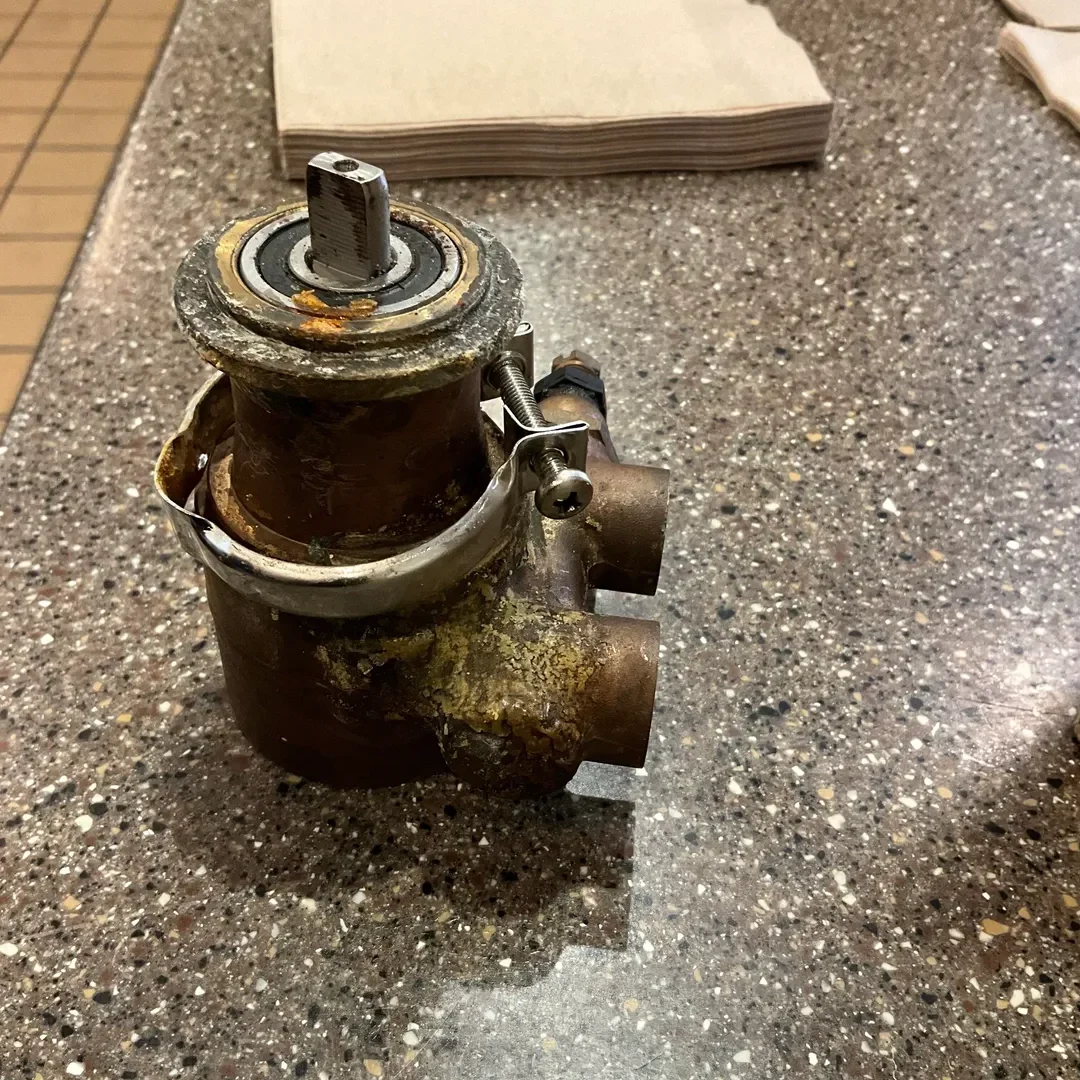
Arizona’s municipal water routinely measures 200–600+ PPM hardness, far exceeding the SCA’s recommended 50–175 PPM range for espresso equipment. Excessive hardness leads to:
From a technical standpoint, water that is too hard increases the saturation point of calcium and magnesium, causing rapid mineral precipitation at espresso machine operating temperatures (195–205°F). This is why filtration and remineralization systems are not optional in Arizona — they are required for machine longevity and beverage consistency.
Pump and Pressure Dynamics
A true espresso extraction requires 9 bars of stable pressure at the puck. The key word is stable.
Factors that affect pressure stability:
Pressure instability leads to channeling, uneven extraction, and inconsistent shot times. Technicians routinely verify pump output using a portafilter pressure gauge and adjust the OPV to maintain consistent 9 bar delivery under load
Thermal Stability and Heat Management
Espresso extraction is highly sensitive to temperature. A shift of even 1–2°F can alter solubility and extraction yield.
Key thermal systems include:
Inconsistent temperature results in:
Technicians verify thermal stability using grouphead thermocouples and ensure boilers are descaled and sensors are functioning within spec.
Grinder Calibration and Particle Distribution
The grinder is the most dynamic variable in the espresso system. Even with a perfectly tuned machine, poor grind quality will destroy consistency.
Technical considerations:
A grinder producing a wide PSD creates both under-extracted and over-extracted particles in the same shot. This is why burr condition and alignment are critical — especially in high-volume Arizona cafés where heat and dust accelerate wear.
Extraction Science: Solubility, Flow, and Yield
Espresso extraction is governed by:
A well-extracted espresso typically targets:
A well-extracted espresso typically targets:
Technicians and advanced baristas use refractometers to measure EY and TDS, allowing data-driven dialing rather than guesswork.
Preventative Maintenance: The Backbone of Consistency
Even the best-engineered machines drift out of spec without routine maintenance. In Arizona, this drift happens faster due to water hardness and dust.
Critical maintenance tasks include:
A machine that is even slightly out of calibration will produce inconsistent espresso and cost cafés money in wasted shots, slow workflow, and eventual breakdowns.
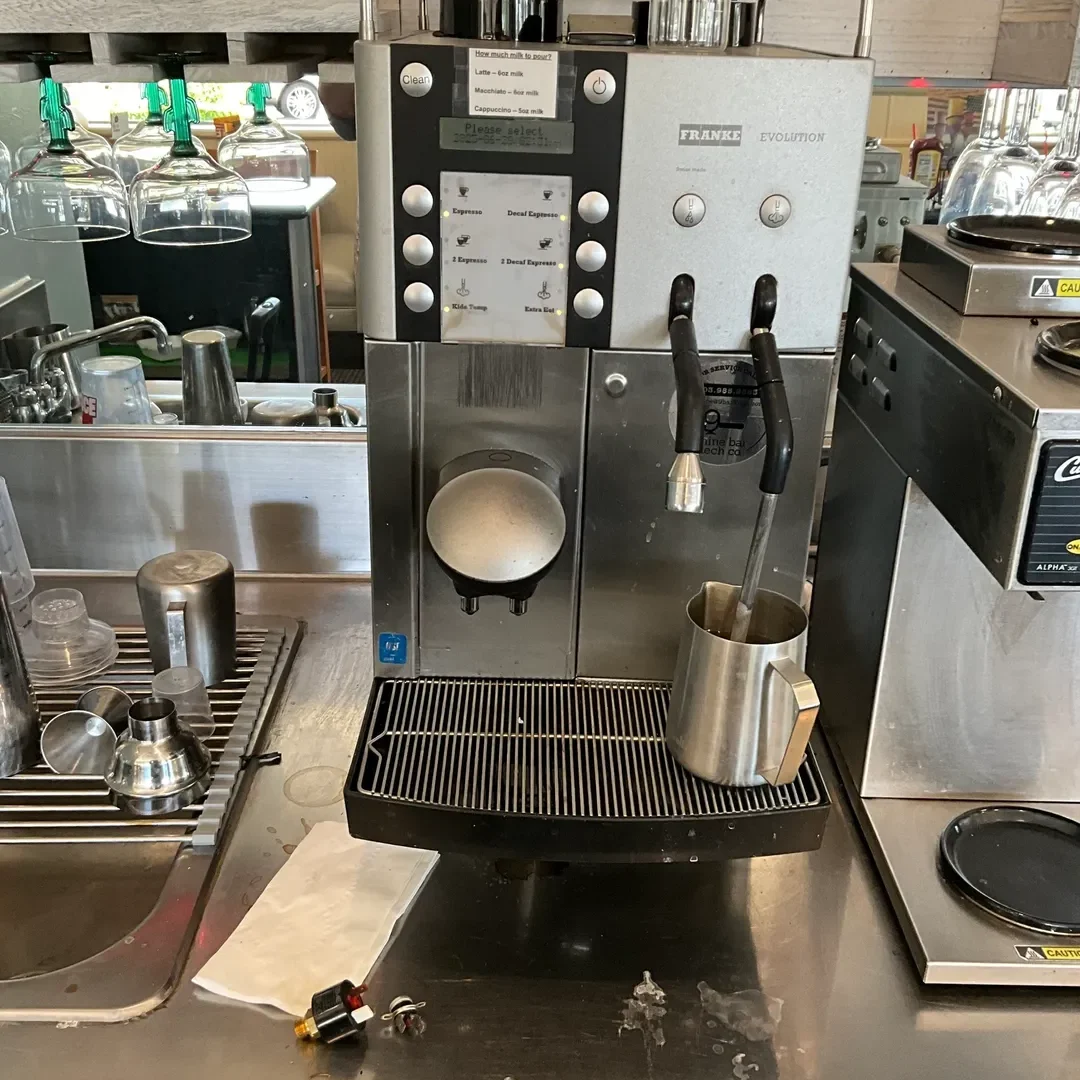
Why Technical Mastery Matters
For café owners, the “art” of espresso is really the art of controlling variables. When equipment is calibrated, water is treated, and grinders are maintained, espresso becomes predictable — and predictability is profitability.
At Pioneer Coffee Techs, we help Arizona cafés achieve: